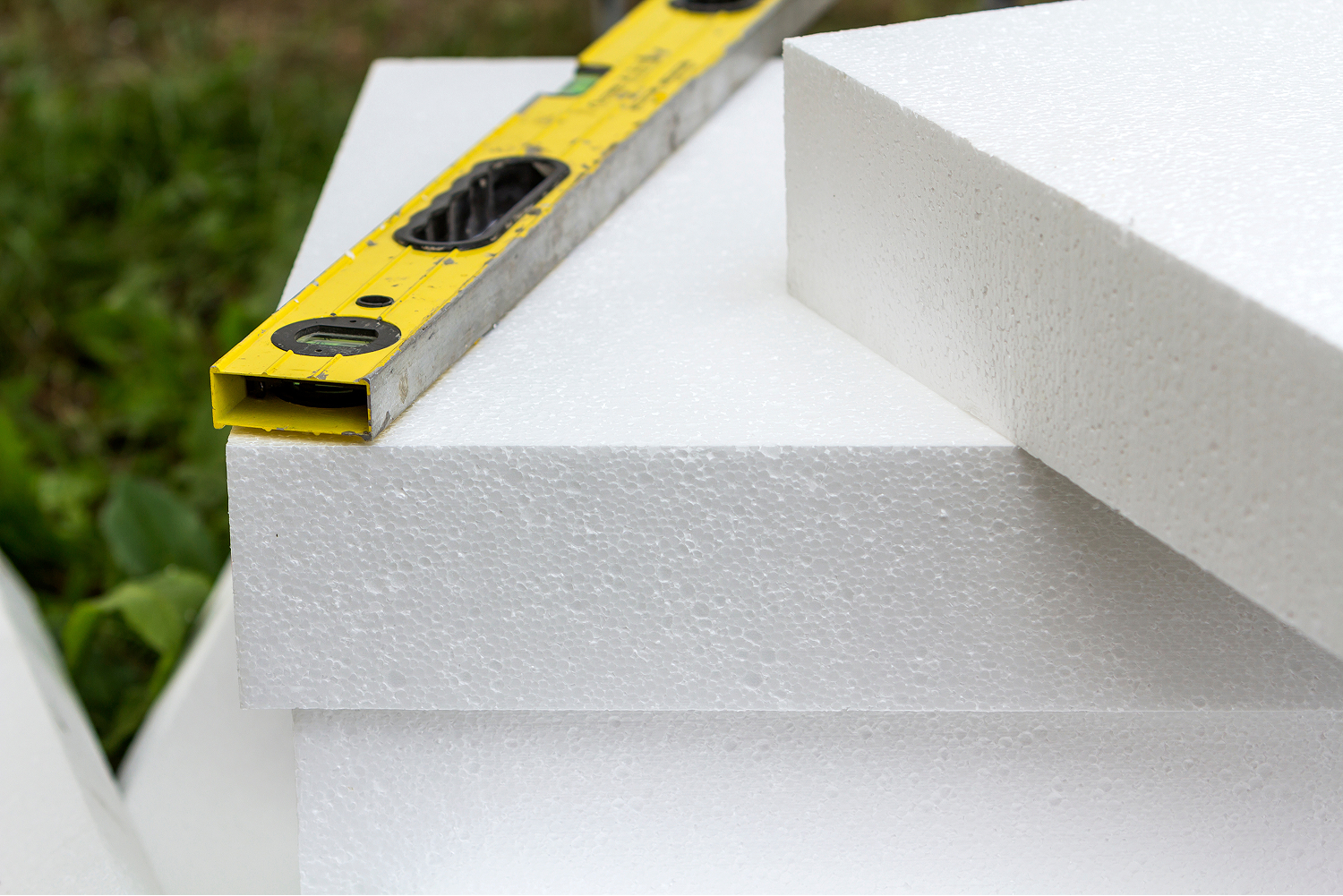
Choosing a rigid foam insulation board starts with understanding what the insulation needs to do in the finished application. Thermal performance matters, but it is only one part of the decision.
Density, thickness, moisture exposure, compressive strength, dimensional requirements and the way the board will be used can all affect which insulation is most appropriate.
For manufacturers, contractors and product designers, selecting the material based on the application can help prevent problems later in production or installation.
What Is Rigid Foam Insulation Board?
Rigid foam insulation board is a lightweight cellular material supplied in sheets or panels. Unlike loose-fill insulation or flexible foam products, rigid foam maintains a defined shape and can be cut, laminated, machined or incorporated into assemblies.
The properties of the board depend on the foam type and density. Different formulations can provide different levels of thermal resistance, moisture resistance and structural support, so the term “rigid foam” does not refer to one specific insulating material.
Start With the Application
The first question is where the board will be used and what it needs to withstand.
For a building insulation application, thermal performance and moisture exposure may receive the most attention. A protective package or manufactured component may place greater emphasis on compressive strength, weight and dimensional stability.
The surrounding environment matters as well. Consider temperature, humidity, water exposure, handling conditions and whether the foam will remain exposed or be enclosed within another assembly.
Starting with these requirements helps narrow the material choices before looking at specific grades or densities.
Consider Density and Strength
Foam density affects several physical properties of a rigid board. In general, higher-density foam can provide greater resistance to compression, while lower-density materials may be selected where weight and cost are more important.
That does not mean higher density is always the better choice. The board needs to provide enough support for the application without adding material that does not serve a purpose.
Benchmark Foam offers expanded polystyrene (EPS) in several density levels. Its EPS technical data identifies Type I at a nominal density of 1 lb/ft³, Type VIII at 1¼ lb/ft³, Type II at 1½ lb/ft³ and Type IX at 2 lb/ft³. Minimum densities are also specified for each type. These distinctions give designers a starting point when matching foam characteristics to the application.
Choose the Right Thickness
Thickness is another important consideration. A thicker board can provide greater thermal resistance, but the required thickness depends on the design and the space available.
For manufactured products, thickness can also affect fit, weight and how the foam integrates with surrounding components. If the board will be cut or shaped during production, the available dimensions and finished part requirements should be considered at the design stage.
Think About Moisture and the Environment
Moisture exposure can affect how an insulation material performs over time. If the board will encounter humidity, condensation or direct water exposure, the material’s moisture characteristics need to be considered alongside its thermal properties.
Temperature should also be part of the discussion. The conditions during storage, processing and use can differ, so looking at the complete application rather than one operating condition gives a clearer picture of the material requirements.
Consider How the Board Will Be Fabricated
A rigid foam insulation board may arrive as a sheet but become a component through cutting, shaping, laminating or assembly. The manufacturing process can influence the material selection.
For example, a project requiring specific dimensions or shapes may benefit from working with a foam manufacturer that can produce the material in the required form. This can reduce the amount of material handling and secondary work needed after the foam arrives.
It is also worth considering how the foam will connect with other materials. Adhesives, facings, laminates and mechanical attachment methods can all influence the finished assembly.
What Information Should You Provide?
When discussing a rigid foam insulation board with a supplier, have as much of the following information available as possible:
- Intended application
- Required thickness and dimensions
- Density or strength requirements
- Thermal performance requirements
- Temperature range
- Moisture exposure
- Cutting or shaping requirements
- Other materials used in the assembly
- Expected production quantities
The more clearly these requirements are defined, the easier it is to compare materials based on what the finished product actually needs.
Selecting the Material
There is no single rigid foam insulation board that fits every project. The right selection depends on how the material will be used, the environment it will encounter and the physical requirements of the finished product.
Benchmark Foam can help manufacturers evaluate EPS options based on density, dimensions and application requirements. If you are developing an insulated product or need foam board for a manufacturing application, contact Benchmark Foam to discuss your requirements and determine which material fits the project.