Builders and architects have long trusted lab tests to pick insulation. But what do fifteen years in the ground reveal? That evidence changes everything.
Independent field testing shows a performance gap that lab tests miss. EPS and XPS take different paths in real below-grade conditions. One keeps its thermal resistance. The other loses it over time.
This blog draws upon a major 15-year field study and subsequent industry research to cut through the noise. We’ll look at why the numbers from a controlled 96-hour submersion test don’t always translate to a damp foundation wall and how this impacts the energy efficiency and durability of your building over decades.
The Laboratory vs. The Real World
Standard product specifications, like ASTM C578, use simple submersion tests to gauge moisture absorption. These involve a one-inch sample underwater for 24 to 96 hours. They are good for quality control. However, as technical bulletins state, these methods “were not developed for predicting in-situ performance.”
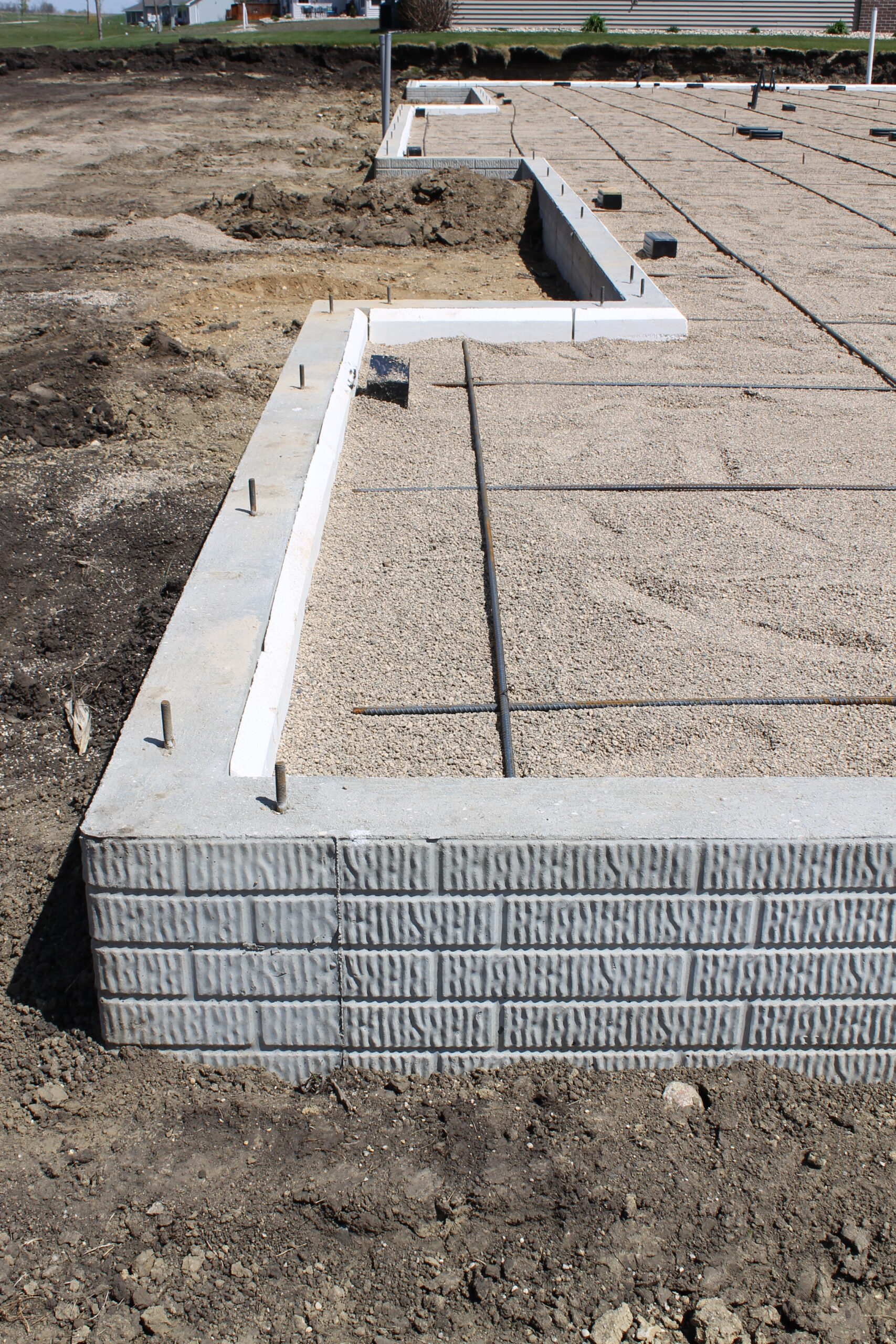
The real test begins after installation. In below-grade applications, insulation faces constant moisture vapor, temperature cycles and hydrostatic pressure. Not a one-time dunk. It’s a slow exposure measured in years instead of hours. This distinction is the key to understanding long-term performance.
The 15-Year Field Test
A side-by-side field evaluation was done on insulation samples after a continuous 15-year installation. The EPS maintained much drier characteristics while the XPS absorbed a large amount of moisture.
The data was clear. XPS held nearly 19% moisture, while EPS held only about 5%. This mattered for thermal performance. EPS kept 94% of its R-value. The wet XPS kept only about 52%.
And this is not an isolated finding. Follow-up testing in 2013 on XPS samples pulled from different field sites confirmed the trend, showing in-situ water absorption ranging widely from 5% to a whopping 60% by volume, which is far beyond the laboratory limit of 0.3%. The conclusion was that higher water absorption directly equates to greater R-value loss for XPS, a correlation poorly captured by short-term lab tests.
Why EPS Holds the Line Against Moisture
The difference lies in the material’s structure and how it manages water. XPS has a very uniform and closed-cell structure. When water does penetrate, it can become trapped within this dense matrix with few easy paths to escape. This leads to the high long-term retention seen in the studies.
EPS is made of fused beads. Tiny spaces between the beads let water in, but they also let it drain and evaporate out. This prevents the permanent water buildup that hurts thermal performance.
Hidden Moisture’s Cost
The impact of this moisture retention hits the building’s operational heart. Research from Oak Ridge National Laboratory has quantified this by indicating that moisture accumulation in below-grade XPS can lead to a 10% to 44% loss in expected energy savings.
Insulation’s ability to resist heat flow plummets when it gets wet. This means heating and cooling systems must work harder to maintain comfort, leading to higher utility bills and a larger carbon footprint for the life of the structure. Choosing an insulation that keeps its dry integrity protects the building’s designed energy efficiency from the ground up.
Building for Lasting Performance
Good design and installation are the solution for below-grade performance. Grade the site to direct water away from the foundation first. Install a perimeter drainage system with proper slope and filter fabric to manage groundwater next. This creates a complete and protective system.
Details matter, too. Sealing the top edge of the insulation then embedding the bottom edge into the drainage stone and placing a vapor barrier on the interior side of the wall are all practices that support the insulation’s sustained function. The best material in the world underperforms in a poorly detailed assembly.
The Informed Choice for the Long Haul
Lab data is a start, but it is not the final word. If you want the full story you need to look at long-term field evidence. EPS offers a strong case supported by decades of real-world results for projects needing lasting thermal resistance and stable performance.
It demonstrates that true performance is measured not in a lab tank, but in the ground. Year after year. When you look at the whole story (from the 15-year field data to the structural way EPS manages moisture) the choice for durable, below-grade insulation becomes clear.