How a simple foam block is reshaping our built environment
Think of a building method that completely changes how well a structure holds up against hurricanes, cuts heating costs dramatically, and resists fire for hours. This technology is not something we are waiting for. It is being used on construction sites right now, built one connecting block at a time. Stronghold ICF (Insulated Concrete Forms) marks a basic change in how we think about construction. It goes beyond short-term solutions to provide a complete system that solves several building problems at once.
The construction industry stands at a crossroads, caught between rising material costs, skilled labor shortages and escalating demands for greener buildings. In this difficult situation for builders, Stronghold ICF stands out as a true breakthrough. The growing popularity of ICF forms stems from their ability to solve persistent problems rather than simply masking them with additional layers and complexity.
What Exactly Makes Stronghold ICF Different?
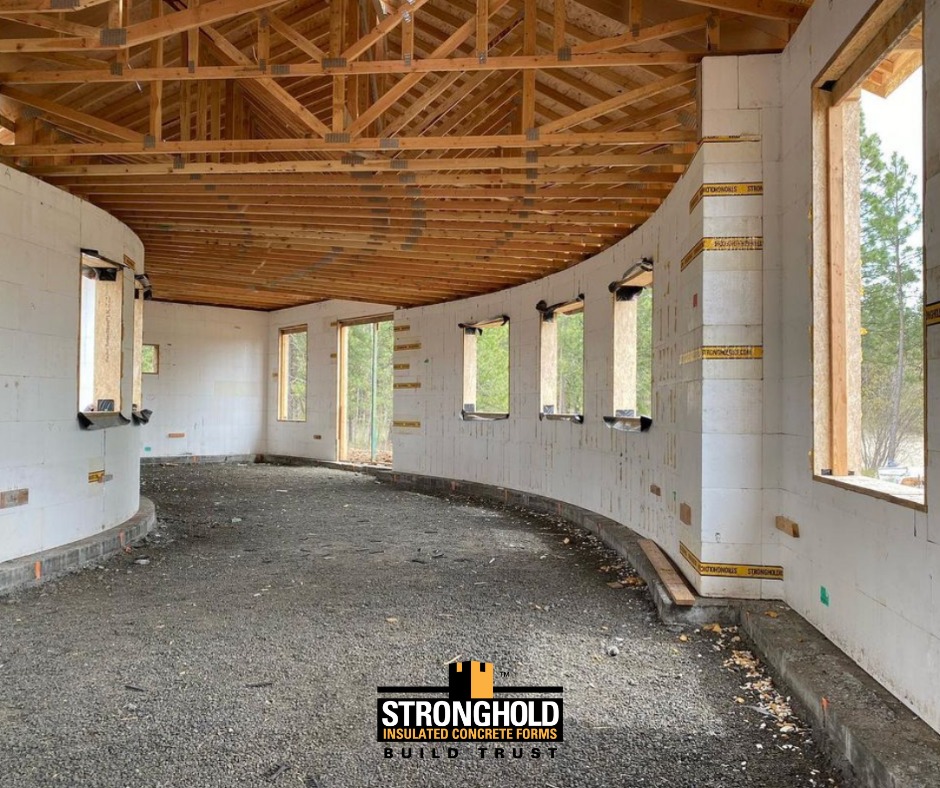
At its heart, Stronghold ICF utilizes interlocking blocks made of expanded polystyrene (EPS) foam that stack into wall configurations before filling with reinforced concrete. What remains afterward is a permanent sandwich structure with a solid concrete core nestled between two continuous insulation layers. This fundamental configuration creates inherent advantages that conventional building methods struggle to match.
The design specifics of these forms reveal why they perform so effectively. Older insulated concrete forms would sometimes bulge out when the concrete was poured in. Stronghold ICF solves this with connecting webs that lock together, which stops the forms from shifting or rising up. The system also has sturdy flanges placed every eight inches, making it easy to firmly attach both inside and outside wall finishes.
Dual diagonal internal corner braces offer additional support during challenging pours, while elevated rebar chairs minimize rebar congestion that can complicate concrete placement. These thoughtful engineering touches address the practical concerns builders encounter daily, making the system both effective and practical to implement.
The Energy Efficiency Story
The thermal performance of Stronghold ICF walls tells a compelling story. With R-values reaching R-24 or higher, these building envelopes dramatically outperform traditional wood-frame construction and stand worlds apart from uninsulated concrete’s meager R-value of less than 3. But the true magic extends beyond insulation ratings to how these assemblies manage heat flow throughout seasonal changes.
The thick concrete core, which sits between two layers of insulation, works like a thermal battery. It soaks up heat when it’s warm and lets that heat out when it gets cooler. This effect helps to keep indoor temperatures steady. As a result, your heating and cooling systems don’t have to work as hard.
The combination of high thermal resistance, air tightness and thermal mass creates a remarkably energy-efficient building that can yield up to 50% energy savings compared to traditional wood-frame construction. For homeowners, this translates to lower utility bills and comfortable living spaces free from drafts and cold spots that plague conventionally built structures.
Building for Generations
When properly constructed, Stronghold ICF walls create structures with exceptional resistance to nature’s destructive forces. The solid concrete center gives these walls great strength, creating buildings that can survive hurricanes, tornadoes and earthquakes. For homeowners, this strength means more than just a safe house. It provides real peace of mind when weather turned severe.
The composite nature of these walls deliver additional protective qualities that extend building life spans. The system offers excellent resistance to moisture and fire, with ICF walls demonstrated to withstand flames for up to 4 hours. Unlike wood framing that can rot, warp or attract termites, Stronghold ICF creates a solid, inorganic barrier that maintains its structural integrity for decades with minimal maintenance.

Design Versatility
Some people wrongly believe that an efficient building must be plain, but Stronghold ICF can work with almost any design style. The foam blocks can be shaped or cut for special wall designs. This freedom allows architects and homeowners to create unique and personal spaces without giving up performance.
Once the concrete cures, the interior and exterior surfaces accept standard finishes, including drywall, siding, brick or stone. The thick flanges integrated into the forms facilitate secure fastening of these materials, eliminating the guesswork that sometimes accompanies attaching finishes to unconventional substrates. The result is buildings that deliver exceptional performance without telegraphing their advanced construction methods through their appearance.
Building Better, Building Smarter
For builders, switching to Stronghold ICF can change how a project works. The blocks are light and easy to stack by hand, which means less physical effort for the crew and faster building of walls. Builders report faster project completion compared to setting up traditional forms, with particular advantages in cold weather where the foam protects curing concrete from temperature extremes.
The integrated design solves multiple problems simultaneously rather than requiring sequential solutions. The all-in-one design is especially useful for taller walls. The locking teeth and connecting webs hold the blocks in perfect position when the concrete is poured, creating walls that are straighter and more solid.
Stronghold ICF in Practice
The practical benefits of these building systems extend across construction sectors, finding homes in diverse project types:
- Residential Construction: Homeowners see the benefits in many parts of their homes, from basement walls to the entire house structure. They enjoy quieter rooms, lower bills for heating and cooling, and the peace of mind that comes with a home built to resist severe weather and disasters. The sound-dampening qualities of the mass-insulation combination create exceptionally quiet interiors, free from exterior noise intrusion.
- Commercial Projects: Building owners benefit from lower operating expenses and reduced maintenance demands, while occupants enjoy healthier indoor environments. The fire resistance properties can be particularly valuable in multi-tenant buildings where fire containment saves lives and property.
- Specialized Structures: Areas requiring disaster resistance, thermal stability or sound control (such as community storm shelters, music studios or medical facilities) find ideal solutions in these integrated walls. The system’s versatility supports both conventional and unconventional design requirements.
The Economic Perspective: Value Beyond Initial Cost
The initial cost for a Stronghold ICF building can be higher than for some standard ways of building. However, looking at the complete financial story shows strong benefits. These structures are very energy efficient, which leads to much lower power and heating bills for the owner. These savings add up, growing larger with each passing year. As energy costs continue to rise, these efficiency gains become increasingly valuable, protecting owners from unpredictable price swings.
The durability and low maintenance requirements of these structures minimize repair and upkeep costs over time. The superior insulation and sound-dampening properties can also contribute to higher property values and increased resale potential as more buyers recognize the benefits of high-performance buildings. For commercial developers, the faster enclosure of buildings can lead to earlier project completion and quicker tenant occupancy, improving overall project economics.
Building Tomorrow with Today’s Technology
Stronghold ICF represents a move toward a way of building that combines multiple steps and focuses on how well a structure performs. This approach meets both current and future needs. The fact that more builders, architects, and homeowners are noticing these systems shows that our thinking about the buildings we live and work in is evolving. We’re moving beyond disposable buildings toward creations meant to last generations while consuming minimal resources.
The future of construction will undoubtedly incorporate even more developments, but the fundamental principles embodied by Stronghold ICF (integration, performance and durability) will continue to guide progress. For anyone prepared to build to a higher standard, the choice is straightforward. Choose methods that fix several issues at once, provide lasting value for the money and have less impact on the environment. The structures we build now will define our world for years to come. By using Stronghold ICF, we can make that future dependable and environmentally sound.