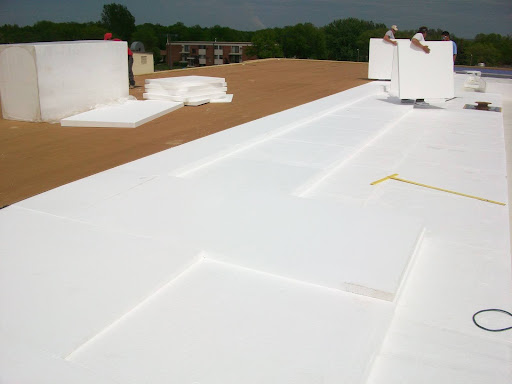
A high-performance roofing insulation board helps create a stable, comfortable indoor environment. By effectively blocking outdoor temperatures, it allows heating and cooling systems to work efficiently and maintain comfort without strain. In an era of rising energy costs and growing environmental awareness, insulation has become a powerful tool for building owners and facility managers seeking to improve their energy footprint while saving money.
What Is Roofing Insulation Board?
Roofing insulation boards are sturdy foam panels that block heat from moving between your building and the outdoors. Installed beneath the roofing material, these boards form a protective shield that greatly slows the movement of heat. This helps maintain consistent indoor temperatures, which reduces how hard heating and cooling systems have to work and lowers energy use. The U.S. Department of Energy notes that nearly 30% of a building’s energy loss occurs through the roof, making this layer a first line of defense against energy waste.
Types of Roofing Insulation Boards
Not all roofing insulation boards perform equally. Understanding the specific characteristics of each type allows for informed decision-making based on your specific needs.
Polyisocyanurate (Polyiso)
Polyiso offers excellent thermal performance and is the most widely used insulation material for roofing applications. These boards are created by heating chemicals and synthetic materials into a composite that cools into rigid panels. Polyiso boards typically feature foil facers that enhance their thermal performance and resist air infiltration.
While polyiso provides superior initial R-values, it’s important to note that its performance can change over time. The R-value of polyiso deteriorates over time after the initial gas exchange stabilizes. This material works well in various roofing systems, particularly for commercial buildings with flat or low-slope roofs.
Extruded Polystyrene (XPS)
Easily recognized by its characteristic blue or coloring, XPS falls in the middle range for both cost and performance among rigid foam insulation options. The material is semi-permeable with a perm rating of about 1, making it suitable for applications where some moisture movement is acceptable.
You will find XPS foam in walls, beneath concrete slabs and on roofs. It’s important to know that, over many years, XPS can soak up more moisture than materials like polyiso or EPS. This retained moisture can cause its insulating power to slowly diminish.
Expanded Polystyrene (EPS)
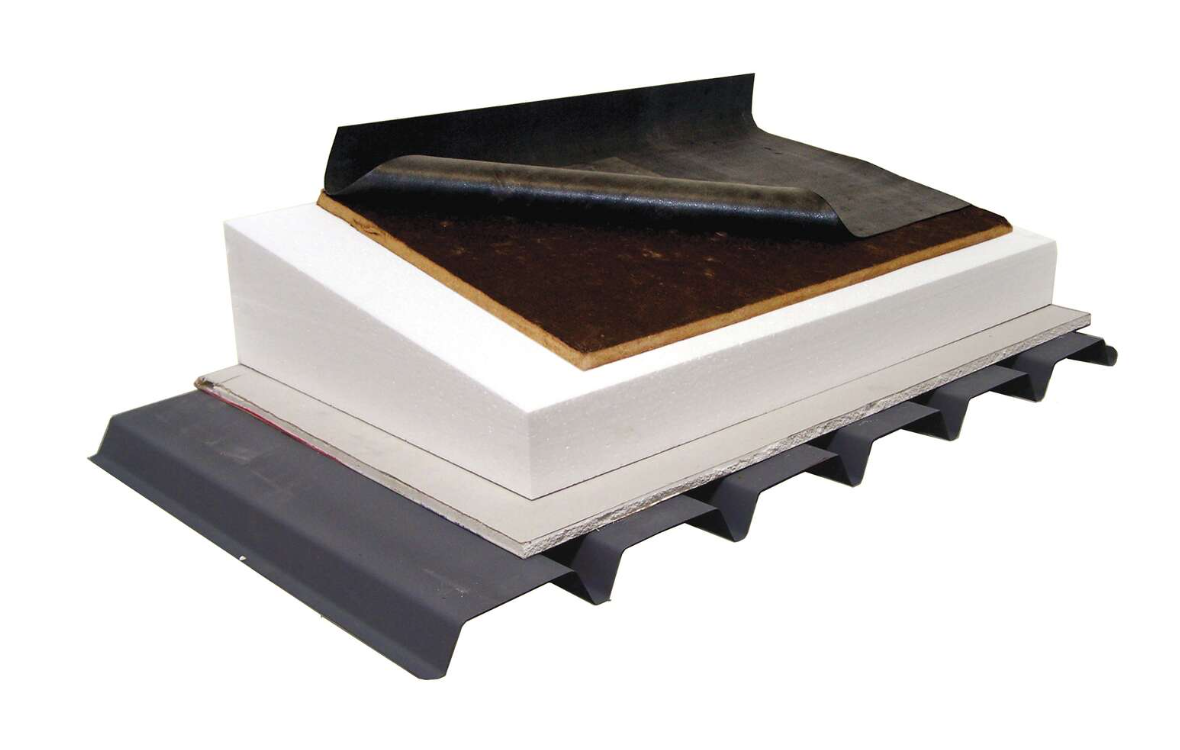
EPS is often the most adaptable and economical choice in rigid insulation. It delivers the most insulating power for your money. This lightweight, white board also maintains its thermal resistance reliably over its lifespan.
Unlike other options, EPS does not retain water over extended periods. Manufacturers confidently warrant its R-value over the long term since the material does not degrade over time. EPS can be used in roof, wall, floor and below-grade applications, making it an incredibly adaptable solution. For roofing specifically, EPS is available in factory-tapered blocks to create proper drainage slopes.

The Financial Case
Although roofing insulation boards have an initial cost, they provide quantifiable savings over time, making them a sound investment for any building.
Property Value Enhancement
Energy-efficient buildings command higher market appeal and property values. Potential buyers recognize the value of lower utility costs and often prefer buildings with efficiency features already in place.
HVAC System Benefits
Roofing insulation boards reduce the amount of heat entering or escaping a building, which makes a HVAC system’s job much easier. This lighter workload results in fewer breakdowns, lower maintenance expenses, and a longer functional life for the equipment.
Environmental Impact
Because proper insulation lowers a building’s energy needs, they also reduce the greenhouse gas emissions produced by power plants for heating and cooling. This helps companies meet stricter environmental regulations and supports their sustainability objectives, showcasing a genuine dedication to responsible operations.
Selecting the Right Roofing Insulation Board
Choosing the appropriate insulation involves many considerations:
- Climate Conditions: In colder regions, prioritize higher R-values to prevent heat loss. Some materials perform better in specific moisture conditions.
- Roof Structure and Type: Flat roofs require different considerations than pitched roofs. The structural capacity of the roof may limit insulation weight in some cases. EPS offers advantages here as a lightweight option that doesn’t compromise on thermal performance.
- Building Codes and Standards: Local building codes often mandate minimum R-values for roofing applications. Make sure your selection meets or exceeds these requirements while addressing fire safety considerations.
- Professional Installation: Proper installation dramatically affects insulation performance. Gaps, compression or inadequate fastening can reduce effectiveness. As the U.S. Department of Energy notes, “The maximum thermal performance or R-value of insulation is very dependent on proper installation”. While some blanket insulation forms are DIY-friendly, most foam board installations benefit from professional expertise.
The Future of Roofing Insulation
Building science continues to evolve, and with it, roofing insulation board technology. We’re seeing increased interest in hybrid systems that combine different insulation types to maximize benefits while controlling costs.
Manufacturers are also developing more specialized products, such as tapered EPS systems that provide both thermal resistance and reliable water drainage. These innovations make roofing insulation boards increasingly effective and accessible for projects of all scopes and sizes.
A Smart Investment in Comfort and Efficiency
Roofing insulation boards represent that rare building solution that delivers immediate benefits while continuing to pay dividends for decades to come. The combination of improved comfort, lower operating costs and reduced environmental impact makes a compelling case for including high-quality insulation in every roofing project.
Whether you’re constructing a new facility or upgrading an existing structure, the Roofing Insulation Board you select will play a fundamental role in your building’s performance. By choosing the right type for your specific needs and having it professionally installed, you’re making an investment that will literally pay for itself while creating a better, more comfortable interior environment.